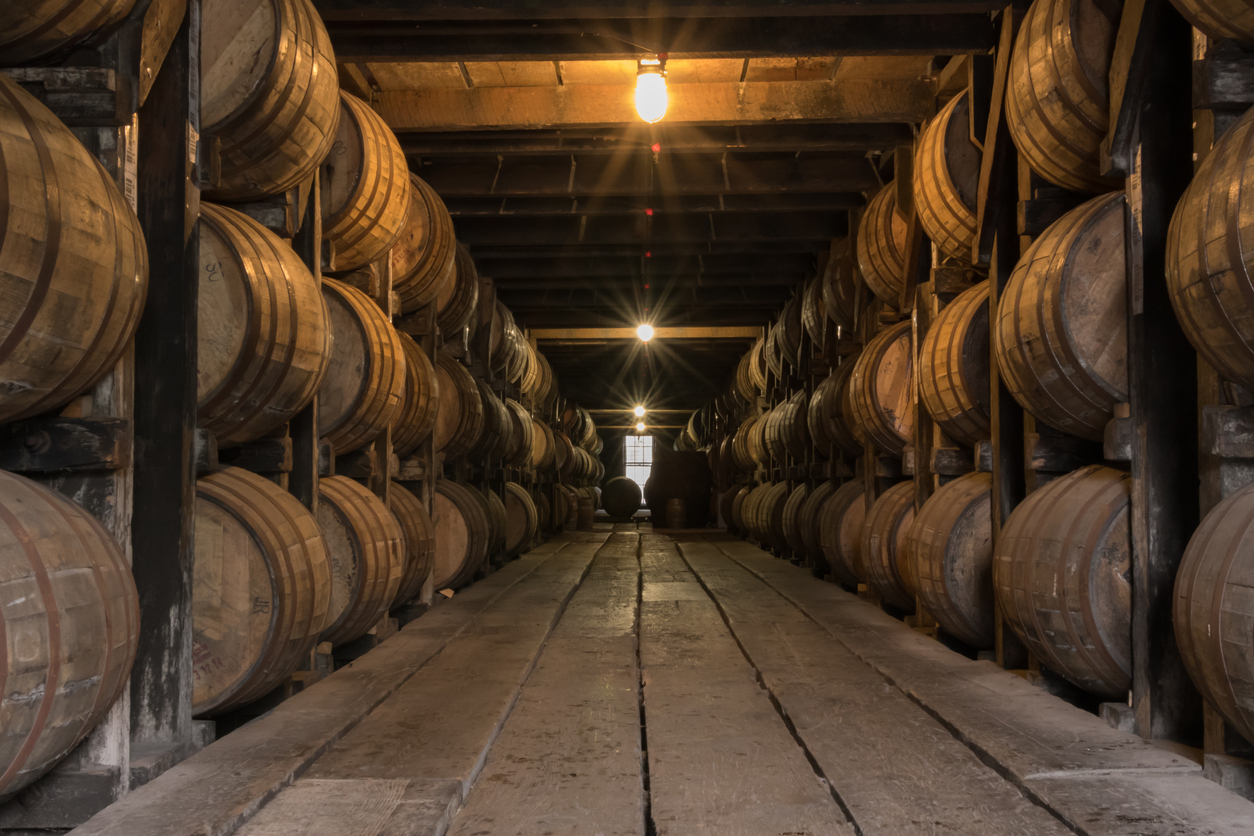
Welcome to Campbeltown Whisky
Campbeltown Whisky is a guide to Scotland’s smallest whisky region—and one of its most characterful. Campbeltown sits at the southern end of the Kintyre peninsula, facing the sea, with a whisky identity that has always punched above its weight. The Scotch Whisky Association describes Campbeltown whiskies as “varied and full of flavour,” often showing hints of salt, smoke, fruit, vanilla, and toffee, with a robust character that reflects the coast.
A town that once ruled the whisky map
In the 19th century Campbeltown was widely known as the whisky capital of the world. At its peak, the town hosted more than 30 distilleries—an extraordinary concentration for a place that today feels like a “wee toon” at the edge of the Atlantic.
Most of those distilleries have vanished, but their names remain part of Campbeltown’s story: Hazelburn, Longrow, Dalintober, Kinloch, Ardlussa, Albyn, and many more.
The modern Campbeltown distilleries
Campbeltown is now defined by three working distilleries:
-
Springbank (also producing Hazelburn and Longrow)
-
Glen Scotia (founded 1832 as Scotia Distillery)
-
Glengyle (revived in the 2000s; releasing whisky as Kilkerran)
If you’re visiting, you can build a complete regional whisky trip without leaving the town.
Independent bottling in the whisky capital
Campbeltown also has a deep connection to independent bottling through Cadenhead’s, which describes itself as Scotland’s oldest independent bottler (founded 1842) and is strongly associated with its Campbeltown shop and tastings today.
Explore the site
Use this site to:
-
learn the history of Campbeltown’s lost distilleries
-
understand why Campbeltown is its own whisky region
-
plan a distillery and tasting itinerary
-
discover the whisky styles behind Springbank, Hazelburn, Longrow, Glen Scotia, and Kilkerran
Note: This is an independent informational site and is not affiliated with any distillery or brand.